Redefining Construction Document Management

Article written by Andy Holtmann for the Viewpoint blog
Modern Technologies are Letting Contractors Manage Documents; Markup and Share Construction Drawings in Real Time
The one constant on any construction project is change. The end result of a completed building, roadway or other structure is almost never exactly how it was drawn up in the beginning. Once building begins, plans, specs and drawings are tweaked as efficiencies are noted, errors are corrected or work gets completed throughout the process.
That’s why effectively managing these changes is crucial to contractors’ success. When different team members are using different sets of drawings, mistakes or execution errors are likely to occur, and when these do happen the entire project could be delayed while the issues are sorted out or, worse yet, costly rework has to be done.
These mistakes and delays can have a significant impact on your bottom line as a contractor — and leave your clients unimpressed with your teams’ abilities to manage projects.

 Managing cash flow for a large construction project is tricky — not just because you don’t get paid immediately, but also because you’re dealing with progress claim preparation, submission deadlines, varying substantiation requirements and variation and claim negotiations — all of which distract you from actually doing the work and finally getting payment.
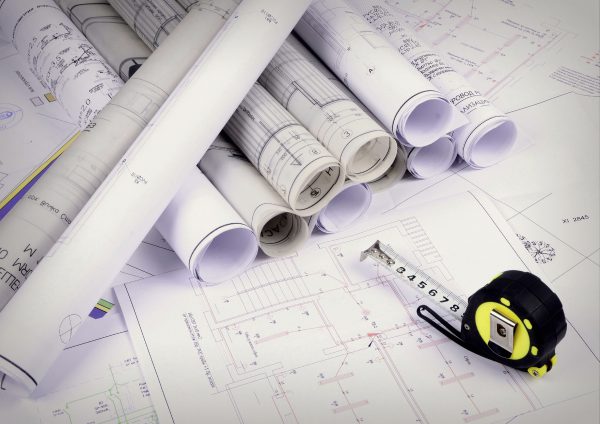 Document management might not sound glamorous, but effective document management is critical to the success of construction projects. As contractors move from pen and paper to digital, paperless operating environments, they have found a variety of solutions for document management available to them, some more sophisticated than others.