Article written by Brielle Regdos for CDP
Managing construction documents, especially drawings, is essential for keeping projects organized, accurate, and on schedule. Drawings serve as the primary communication tool between architects, engineers, and contractors, and when they’re mismanaged, the impact is felt immediately: crews working from outdated plans, increased risk of errors, increased RFIs, delays, and costly rework. A structured approach ensures that all stakeholders stay aligned throughout the project lifecycle.
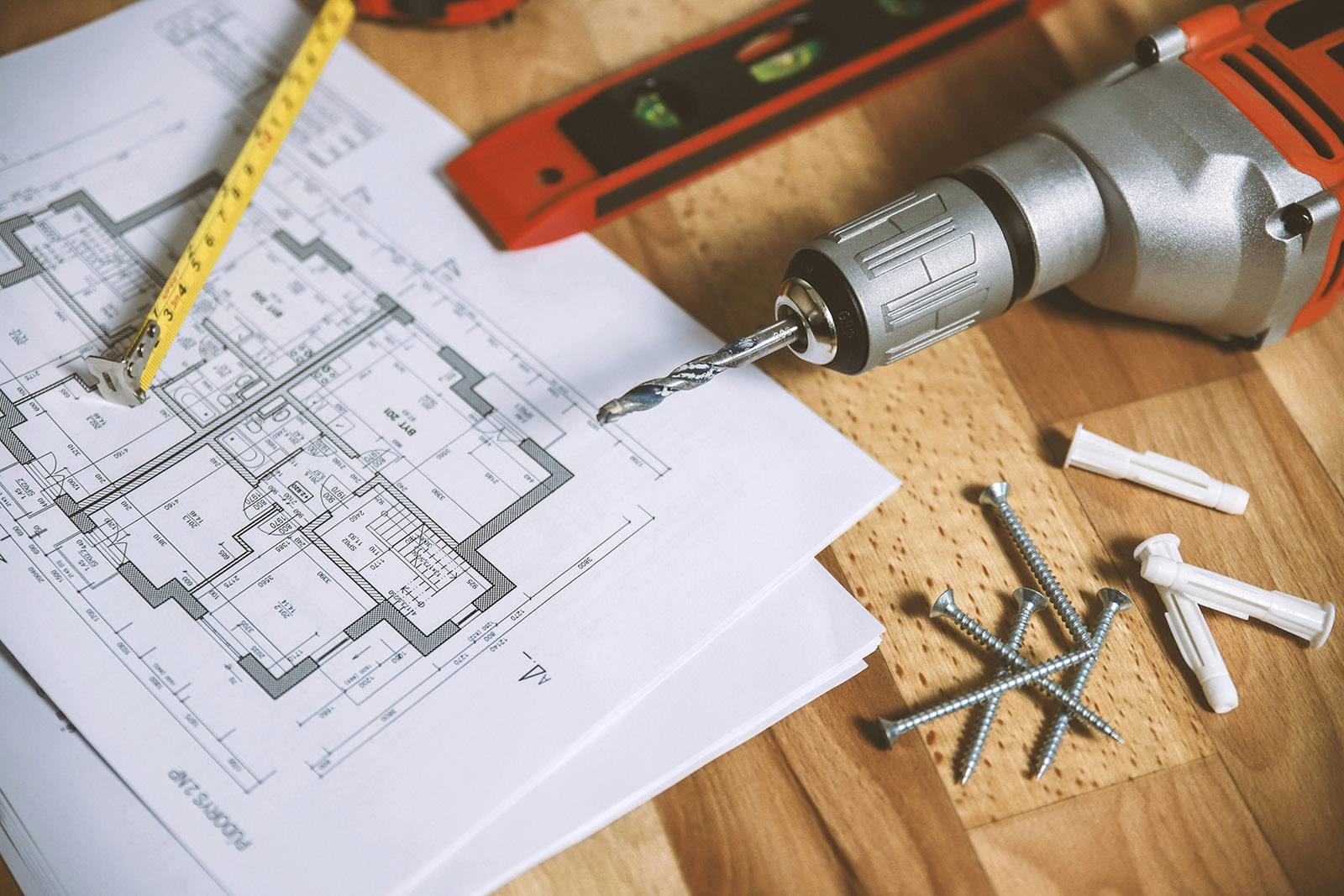
Drawing management involves organizing, storing, updating, and distributing all project drawings, including architectural, structural, and MEP (Mechanical, Electrical, Plumbing) plans. One of the most critical aspects is version control. In practice, this means maintaining a single source of truth for current drawings, using clear revision identifiers, and ensuring outdated versions are archived (and not confused with active sets). Field teams must also feel confident they are always working from the latest revision.
Accessibility is equally important. Centralized, cloud-based systems allow teams to access updated drawings in real time, regardless of location. And, the real value comes when these systems are connected to project workflows. Linking drawings to RFIs, submittals, and scheduling tools ensures updates are not just stored, but actively used to support better decision-making and project coordination.
Clear file naming and organization further enhance efficiency. Standardized naming conventions that include details such as project name, drawing type, revision number, and date make it easy for teams to quickly locate the correct documents. Consistency across teams is key, especially on larger or multi-phase projects where multiple stakeholders access and update files.
In addition, standardized review and approval processes ensure that all updates are properly checked before implementation. Establishing a clear workflow for reviewing, approving, and issuing updated drawings helps prevent incomplete or unverified information from reaching the field. This reduces risk and ensures that changes are communicated accurately and efficiently.
A Real-World Impact Example
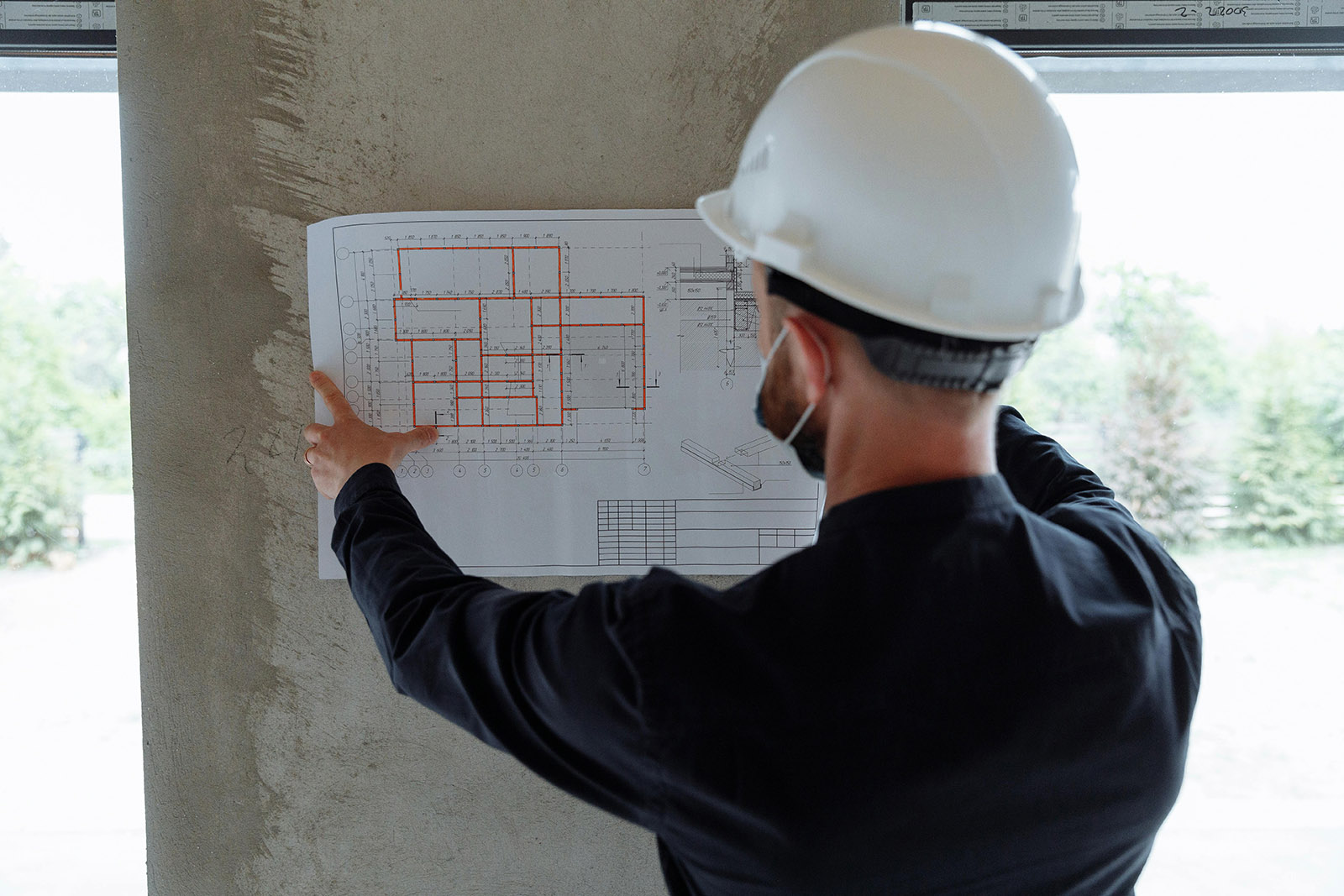
Consider a project where a revised structural drawing was created, but not properly distributed to the field. Crews proceeded using an outdated version, resulting in rework that delayed the schedule and increased costs. If a structured drawing management process were in place, the updated drawing would have been immediately accessible and clearly identified as the current version, preventing the issue altogether.
This is where process and technology together make a measurable difference.
Common Drawing Management Pitfalls
Even with the right tools in place, breakdowns often occur due to inconsistent processes. Common challenges include:
- Multiple storage locations (email, shared drives, printed sets) that create confusion
- Inconsistent naming conventions across teams
- Delays in distributing updated drawings to field personnel
- Lack of clear ownership for document control
Addressing these issues with a clear, structured process often makes the difference in shifting from reactive problem-solving to proactive project management.
Practical Steps to Improve Drawing Management
To strengthen drawing management processes, construction teams should:
- Establish a single, centralized source of truth for all drawings.
- Standardize file naming conventions across all stakeholders.
- Define a clear revision, review, and approval workflow.
- Ensure field teams have real-time access to current documents.
- Assign clear ownership for document control and distribution.
Effective communication ties everything together. Teams must be promptly informed of any revisions through formal document control processes and consistent, regular coordination.
When supported by the right systems that have integrated project management tools and ERP platforms (like Trimble’s Viewpoint Spectrum and ProjectSight), drawing management becomes a competitive advantage with a connected, workflow-driven process that improves accuracy, reduces risks, helps teams move faster, keeps projects on track, and ensures better decisions at every stage of the project lifecycle.
Contact CDP to learn more about platforms to help you manage construction drawings.